Need an insurance quote?
Get 5% off your inspection by using a Triton Insurance Agent.
Enter promo code: Triton
in our online scheduler
Click to see how Triton Insurance can help you save on your policy

Get 5% off your inspection by using a Triton Insurance Agent.
Enter promo code: Triton
in our online scheduler
Click to see how Triton Insurance can help you save on your policy
A type of insurance inspection called Wind Mitigation Reports in the state of Florida is all about making sure that the home is properly protected against wind, and when you’re living in this state, it’s definitely something you have to worry about. Wind is a serious problem, and as we are a coastal state, it actually makes perfect sense. There is a long history of academicians and engineers studying windstorms. Modern efforts to understand how to mitigate the damages windstorms can cause dating all the way back to the 1980s.
Click below to find out about wind mitigation reports and how they can help you.
The uniform mitigation verification inspection form (commonly referred to as form 1802) created by the Florida Office of Insurance Regulation is divided into 7 sections and is used to verify the presence of windstorm mitigation features on a policyholder’s property so the insurer can calculate proper discounts. A wind mitigation report informs the insurance company of a home’s construction in order to determine its stability in the event of strong winds.
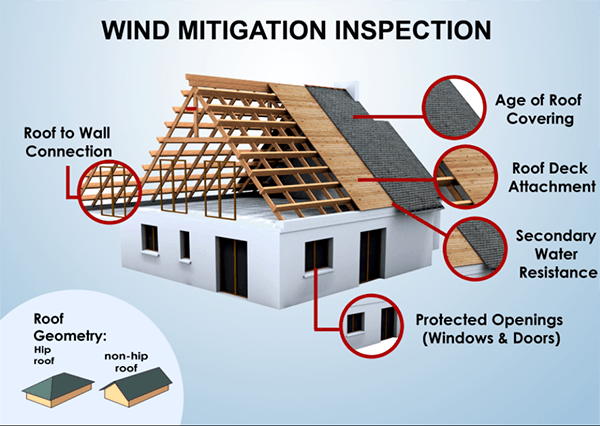
Roofing permit application dates on or after 3/1/02 OR the roof is original and built in 2004 receive credits towards their insurance policy. ( a roofing permit application after 9/1/1994 and before 3/1/2002 OR the roof is original and built in 1997 for HVHZ)
8d common nails spaced a maximum of 12″ or 6″ inches along the trusses receive credits.
(also called Sealed Roof Deck) Self-adhering polymer modified-bitumen roofing underlayment applied directly to the
sheathing or foam adhesive SWR barrier (not foamed-on insulation) applied as a supplemental means to protect the
dwelling from water intrusion receive a credit.
If all glazed openings that are protected at a minimum, with impact resistant coverings or products listed as wind borne debris protection devices in the product approval system of the State of Florida or Miami-Dade County and meet the requirements of for “Cyclic Pressure and Large Missile Impact” receive a credit.
Metal connectors consisting of a single strap that wraps over the top of the truss/rafter and is secured with a
minimum of 2 nails on the front side and a minimum of 1 nail on the opposite side receive a credit.
Hip shaped roofs deflect wind from all directions therefore receive a credit.
Wind mitigation retrofit features, such as hurricane straps, clips, and fortified roof deck attachments, greatly decrease the amount of damage that may occur during a windstorm or hurricane. This increases your home’s chance of survival.
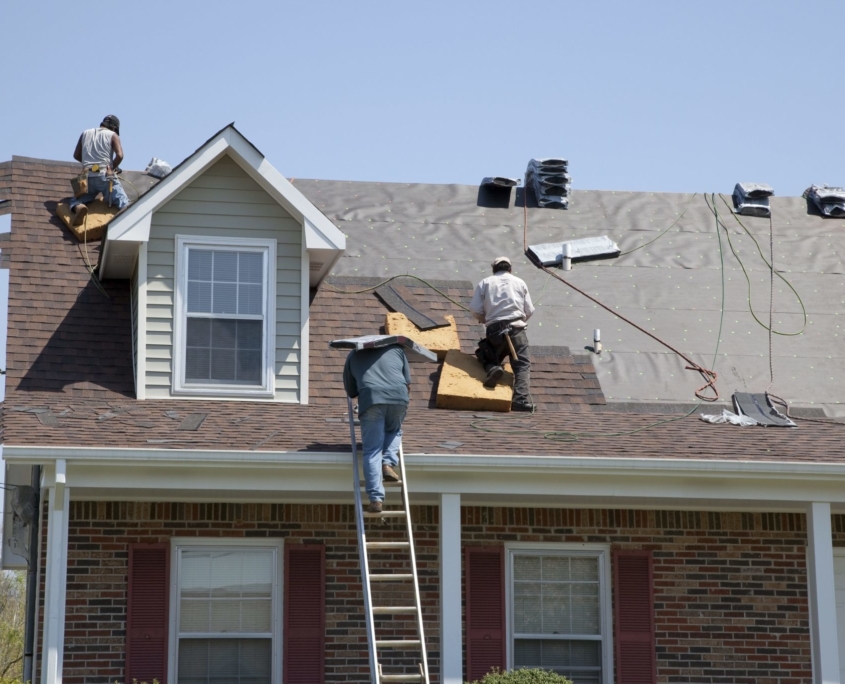
The State of Florida requires insurance companies to offer discounts for protecting your home against damage caused by windstorms. These discounts are known as Wind Mitigation Credits and are offered after a certified inspection is done to your home.
Insurance inspections like a Four Point Inspection is often a required inspection in order to obtain (or maintain) insurance coverage. The inspection requirements were designed by insurance companies in order to get a better understanding of the structure they are insuring.
Click the tabs below to learn more about different problems that can be discovered in a four point inspection or contact us to learn more.
While some HVAC issues are simply a matter of cleaning coils and filters, something that you can do yourself, many of the most common heating and cooling system problems will develop into much bigger concerns if not serviced early. Most of these can be avoided with regular preventive maintenance calls. It is wise to have your system checked annually to prevent outages during extreme weather.
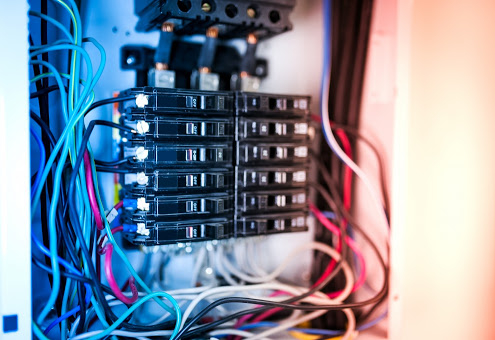
Regardless of the age of your home, with the use of so many utilities during the summer, many electrical problems begin to pop up. These problems are a warning sign of serious issues if left unchecked. Fortunately, regardless if you are dealing with the main service panels in your home, or simply a subpanel for your shed, garage, or barn, there seems to be a few common problems that are relatively quick to resolve.
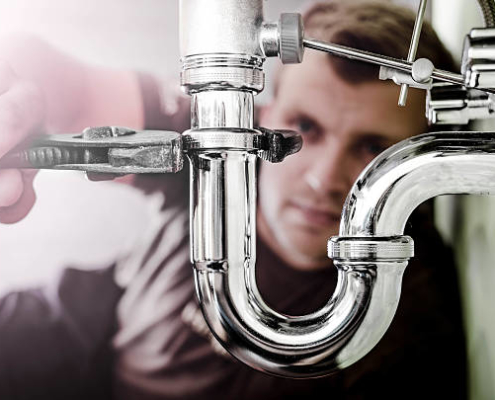
Plumbing problems can be an inevitable part of owning a home. While some problems come with aging fixtures or normal wear and tear on plumbing equipment, others may be caused by how certain systems are used and maintained.
Click the boxes below to learn more about different plumbing issues.
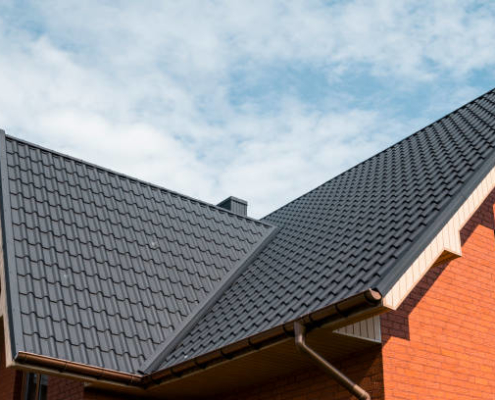
Your roof covers the largest asset you own, so it pays to know the signs of trouble. Fortunately, many of the danger signals are easy to see-you can sometimes even spot them from the ground. (Tip: Binoculars help!) A small leak can go undetected for years, causing huge damage before you notice anything. It’s a good idea to inspect your roof regularly.